

 Facebook
 X
X
 Pinterest
 Copy Link
Affordability, Housing Supply & Demographic Shifts: What’s Shaping the Mid-Michigan Real Estate Market in 2025
The Mid-Michigan real estate market is entering a new cycle, and three major forces are shaping everything from home prices to buyer demand: affordability, housing supply, and demographic shifts. Understanding how these trends play out in areas like Alma, St. Louis, Ithaca, Mount Pleasant, St. Johns, and Gratiot County can help buyers, sellers, and investors stay ahead of the curve.
Here’s a clear look at what’s happening — and what it means for you.
1. Affordability: Mid-Michigan Remains a Bright Spot for Buyers
While housing affordability has declined nationwide, Mid-Michigan remains one of the most affordable regions in the state. Average home prices in counties like Gratiot, Isabella, and Clinton are significantly lower than the statewide median, making the region attractive to first-time buyers, downsizers, and out-of-area relocators.
Why Mid-Michigan Is Still Affordable
-
Home prices remain below the Michigan statewide average
-
Lower property taxes compared to many other counties
-
Variety of price points across Alma, St. Louis, Ithaca, and rural townships
-
Growing interest from buyers priced out of the Lansing and Grand Rapids markets
What Buyers Are Experiencing
Even with rising interest rates, buyers in Mid-Michigan get more space, more land, and more home for their budget compared to metro areas. This affordability also attracts remote workers and retirees looking for a quieter lifestyle without sacrificing convenience.
What Sellers Should Know
Because the region is still within an affordable price band, homes that are well-priced between $150k–$250k are among the fastest-moving listings. Many sellers are seeing multiple offers from out-of-county buyers seeking value.
2. Housing Supply: Low Inventory Driving Competition
Like many parts of the state, housing supply in Mid-Michigan remains tight. Inventory in areas like Alma, Breckenridge, Ithaca, Shepherd, St. Johns, and Mount Pleasant has not fully recovered, creating a competitive environment in the most affordable price ranges.
Why Supply Is Limited
-
Fewer move-up sellers listing their homes
-
Increase in long-term owners staying put
-
Limited new construction, especially in rural areas
-
Demand from first-time buyers and relocators rising faster than supply
Local Impact
-
Single-family homes under $250k receive the strongest activity
-
Rural homes with acreage are selling faster than pre-2020
-
Entry-level homes are the most competitive segment in the region
-
Buyers often widen their search to neighboring towns to find available options
Opportunities for Sellers
Low supply puts sellers in a favorable position. Homes in good condition — especially in Alma, Ithaca, and St. Johns — tend to sell quickly when priced correctly.
3. Demographic Shifts: Who’s Moving Into (and Within) Mid-Michigan
Demographic trends are reshaping many Mid-Michigan communities. From college towns like Mount Pleasant to family-focused areas like St. Johns, the region is seeing notable shifts.
Key Demographic Trends
-
Millennials are becoming the dominant group of buyers in Gratiot, Isabella, and Clinton counties.
-
Remote workers are relocating from larger cities for affordability and quality of life.
-
Retirees appreciate the low cost of living and easy access to healthcare and recreation.
-
CMU students and graduates create ongoing rental and purchasing demand in Mount Pleasant.
-
Local families are upgrading to larger properties or moving into areas with stronger school districts.
Where People Are Moving
Patterns show increased interest in:
-
Alma & St. Louis for value and community living
-
Mount Pleasant for jobs, education, and amenities
-
St. Johns for its schools and proximity to Lansing
-
Rural Gratiot County for privacy, acreage, and lower taxes
These shifts are causing some previously quiet communities to become new hot spots, especially as out-of-area buyers discover Mid-Michigan’s affordability.
How These Three Trends Shape the Mid-Michigan Market
Affordability, supply constraints, and demographic changes are interacting in powerful ways:
-
Strong affordability → attracts new buyers & relocators
-
More buyers → tightens supply even further
-
Tight supply + growing demand → steady or rising prices
-
Demographic shifts → reshape which towns and price bands move quickest
For a region historically known for stability, Mid-Michigan is experiencing one of its most dynamic real-estate periods in years.
What This Means for You
Buyers
-
Be prepared to act quickly in competitive price ranges
-
Consider expanding your search across multiple Mid-Michigan towns
-
Explore rural options where inventory may be more available
Sellers
-
Low inventory gives you a strong advantage
-
Homes under $250k often attract multiple offers
-
Out-of-county and out-of-state buyers are increasingly active
Investors
-
Affordable home prices mean strong cash-flow potential
-
Student housing and entry-level rentals remain high-demand segments
-
Long-term appreciation looks promising in Alma, St. Johns, and Mount Pleasant
Final Thoughts
Mid-Michigan’s real estate market stands at the crossroads of affordability, low supply, and major demographic changes. The region’s combination of value, stability, and lifestyle advantages continues to draw buyers from across Michigan and beyond.
Whether you’re thinking of buying, selling, or investing, understanding these forces will help you make better decisions in 2026
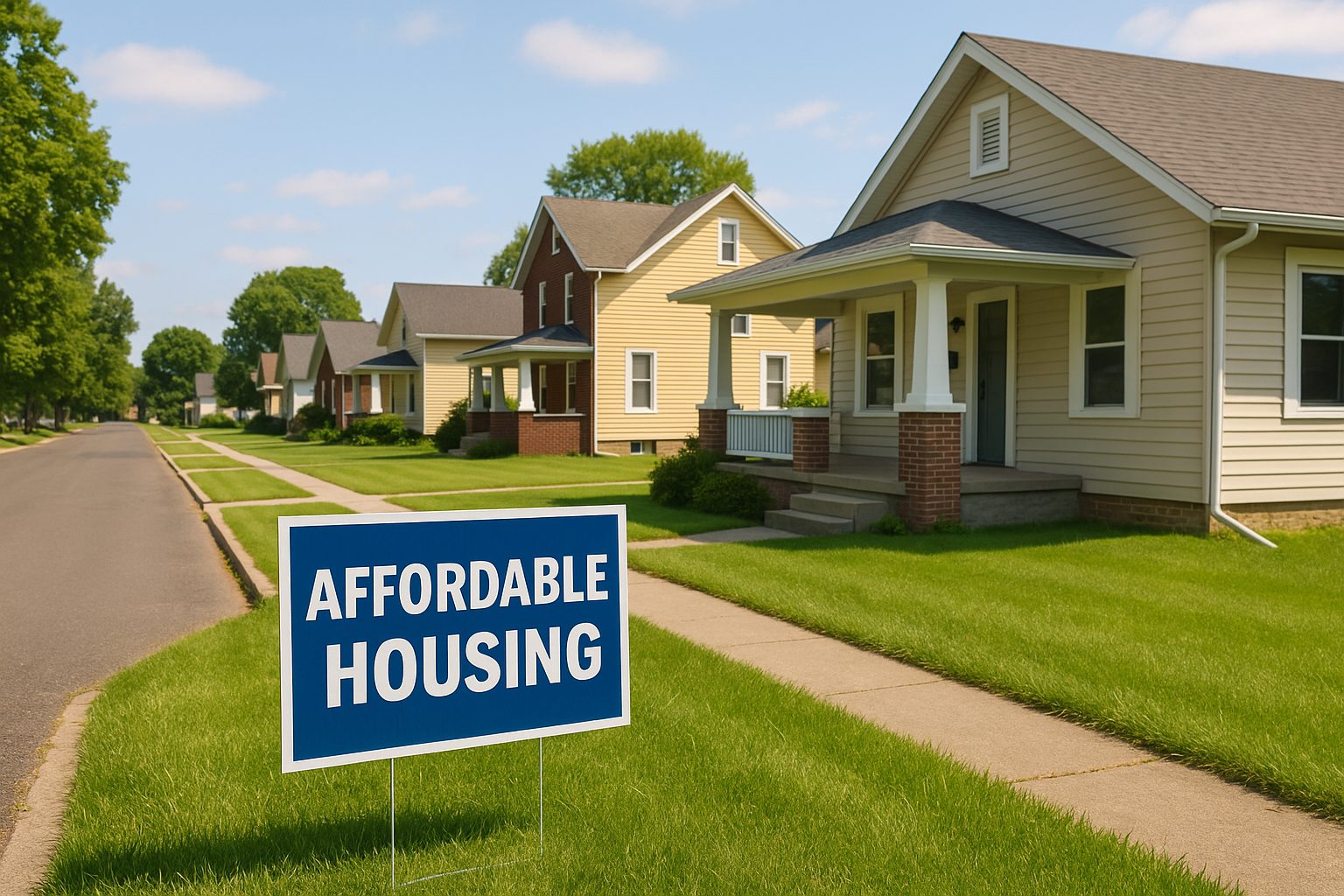
why Mid Michigan is more affordable for home prices
and the years ahead.
If you want, I can also create:
✅ A shorter version for social media
✅ A version tuned specifically for Alma or Gratiot County
✅ A version built for SEO with keyword frequency optimization


