

 Facebook
 X
X
 Pinterest
 Copy Link
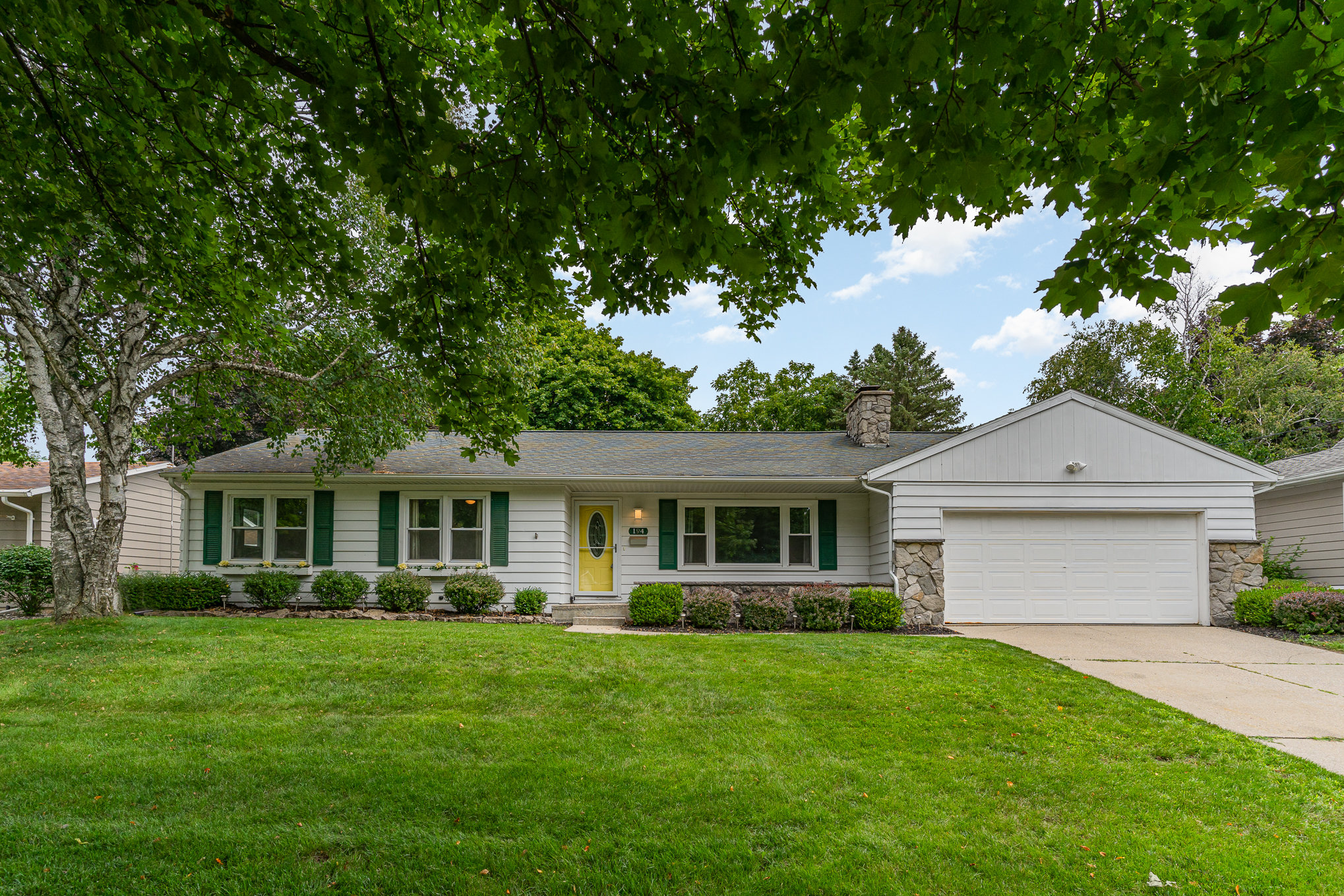
Selling a House in Michigan? Here’s What You Should Know
Selling a house in Michigan involves more than simply deciding on an asking price. From preparing your property and understanding local market conditions to completing required disclosures, negotiating offers, and navigating the closing process, having a clear plan can make a significant difference.
Whether you’re selling in Alma, St. Johns, Mt. Pleasant, or another Mid Michigan community, understanding the process before listing can help you avoid costly mistakes and make informed decisions.
As a Mid Michigan real estate broker with more than 650 completed transactions, I help homeowners evaluate their options, understand their property’s market value, and develop a selling strategy tailored to their goals.
I’ve been helping buyers and sellers throughout Mid Michigan since 2011, and one lesson I’ve learned repeatedly is that successful home sales rarely happen by accident. Preparation, pricing, presentation, marketing, negotiation, and communication all play a role.
Here’s what Mid Michigan homeowners should know before putting a home on the market.
1. Start With Your Goals, Not the For Sale Sign
Before determining a list price or scheduling photography, I like to understand why a homeowner is selling and what a successful sale looks like for them.
Are you moving to another home? Downsizing? Relocating? Selling an inherited property? Trying to coordinate a purchase and sale at the same time?
Your answer can affect the entire strategy.
For example, a seller who has already purchased another home may prioritize speed and certainty differently than someone who has plenty of time and is focused on maximizing the final sale price.
Some of the questions worth answering before listing include:
- When would you ideally like to move?
- Do you need to sell before purchasing your next home?
- Are there repairs or projects that should be completed first?
- What expenses should you expect from the sale?
- How much equity do you have in the property?
- Is maximizing price, minimizing inconvenience, or controlling the timeline your highest priority?
A good listing strategy should be built around your goals rather than forcing every seller into the same process.
2. Determine What Your Mid Michigan Home Is Actually Worth
One of the first questions nearly every seller asks is:
“What is my house worth?”
Online home-value estimates can be useful as a starting point, but they don’t physically walk through your property and may not understand the nuances of a local market.
Two homes with similar square footage can have very different values because of differences in condition, location, updates, garages, acreage, outbuildings, school districts, basements, waterfront access, or even the particular street they’re located on.
This can be especially important in Mid Michigan, where our housing stock ranges from historic homes and subdivisions to rural properties, farms, manufactured homes, acreage, waterfront properties, and newer construction.
When I prepare a comparative market analysis, I look at factors such as:
- Recent comparable sales
- Currently competing homes
- Pending sales when useful information is available
- Location
- Square footage
- Bedrooms and bathrooms
- Property condition
- Updates and renovations
- Garage and outbuildings
- Basement
- Lot size or acreage
- School district
- Current buyer demand
The goal isn’t simply to find the highest number we can justify. It’s to determine the price and strategy most likely to produce the best overall result.
3. How to Price Your House Correctly in Michigan
Pricing is one of the most important decisions we’ll make.
It can be tempting to start high because “we can always come down later.” The problem is that the first days and weeks on the market are often when a new listing receives its greatest attention.
If buyers believe a property is overpriced, they may simply move on.
Then, after price reductions and additional days on market, buyers can begin wondering:
“What’s wrong with it?”
Sometimes nothing is wrong with the home. It simply started at the wrong price.
On the other hand, pricing too low without a specific strategy can unnecessarily leave money on the table.
The objective is to position your property where buyers see the value while still protecting your equity.
That’s why pricing should be based on market evidence—not an automated estimate, what a neighbor is asking, or what a homeowner needs to net from the sale.
4. Decide Which Improvements Are Worth Making
7 Tips to Get Your Home Ready to Sell
Before spending money on repairs, renovations, or other improvements, it helps to have a plan. In this video, I share seven tips Mid Michigan homeowners should consider when getting a house ready to sell.
You do not necessarily need to remodel your home before selling it.
In fact, one of the biggest mistakes sellers can make is spending thousands of dollars on improvements that buyers won’t pay enough extra for to justify the expense.
Before doing major work, consider the likely return.
Often, relatively inexpensive improvements can make a significant difference:
- Fresh paint where needed
- Replacing burned-out light bulbs
- Repairing dripping faucets
- Fixing loose handles or hardware
- Deep cleaning
- Cleaning carpets
- Improving landscaping
- Trimming overgrown shrubs
- Touching up exterior paint
- Removing excess clutter
- Addressing obvious deferred maintenance
The goal isn’t to make your home perfect.
The goal is to make buyers feel that the property has been cared for and allow them to focus on the home rather than a list of small repairs.
For larger projects—roofing, flooring, kitchens, bathrooms, HVAC, windows, etc.—I recommend discussing them before spending the money. Sometimes the project makes sense. Sometimes selling the property as-is produces a better financial result.
Michigan sellers may also have disclosure obligations regarding the condition of the property. Understanding those requirements before listing can help sellers prepare for the transaction. The State of Michigan provides information and forms related to seller disclosures.
5. Prepare the Home for Photography and Showings
Buyers frequently see your home online before they ever see it in person.
That means the first showing often happens on a phone.
Presentation matters.
Before photography, I generally recommend:
- Clearing kitchen counters
- Removing unnecessary items from bathroom counters
- Making beds
- Opening blinds and curtains
- Turning on lights
- Removing excessive personal items
- Organizing visible storage areas
- Cleaning floors and surfaces
- Removing unnecessary furniture when rooms feel crowded
- Improving curb appeal
- Cleaning the front entrance
You don’t need to remove every sign that someone lives in the house. The goal is simply to make the rooms feel clean, open, bright, and easy for buyers to understand.
6. Professional Marketing Is More Than Putting a Home in the MLS
Putting a property in the MLS is important, but it isn’t a complete marketing strategy.
A strong listing campaign should make the property easy to discover and compelling when buyers find it.
Depending on the property, marketing can include:
- Professional-quality photography
- Compelling listing copy
- MLS exposure
- Major real estate websites
- Social media
- Video
- Targeted online marketing
- Email marketing
- Signage
- Open houses when appropriate
- Direct outreach
- Agent-to-agent marketing
- Drone photography or video when appropriate
- Additional marketing for unique or commercial properties
Every property is different. A downtown starter home shouldn’t necessarily be marketed the same way as a country property on acreage, a luxury home, an investment property, or a commercial building.
The marketing strategy should fit the property and the buyers most likely to purchase it.
7. Showings: Make It Easy for Buyers to Say Yes
Once the home is active, buyers need an opportunity to see it.
Generally, the easier a home is to show, the better.
That doesn’t mean sellers have to completely disrupt their lives. We can establish reasonable showing instructions and notice requirements.
Before a showing:
- Pick up clutter
- Make beds
- Turn on lights
- Open blinds where appropriate
- Make sure the home smells clean and neutral
- Secure medications, valuables, documents, and firearms
- Take pets with you when practical
- Leave the property during the showing
Buyers tend to spend more time in a house when the seller isn’t present.
Give them an opportunity to picture the home as their own.
8. Evaluating an Offer: Price Isn’t Everything
Getting an offer is exciting, but the highest offer isn’t automatically the best offer.
We need to look at the entire package.
That can include:
- Purchase price
- Financing type
- Down payment
- Earnest money deposit
- Inspection terms
- Appraisal requirements
- Seller concessions
- Proposed closing date
- Possession
- Sale-of-home contingencies
- Other conditions
Imagine receiving a slightly higher offer that’s dependent upon the buyer selling another property and a slightly lower offer with strong financing and fewer contingencies.
Depending on your priorities, the lower offer could potentially be the stronger transaction.
My job during this stage is to help you understand both the dollars and the risks associated with each option.
9. What Happens During the Home Inspection?
Many buyers choose to have the property professionally inspected.
The inspector may evaluate components such as:
- Roof
- Foundation
- Electrical system
- Plumbing
- Heating and cooling
- Attic
- Basement or crawlspace
- Windows and doors
- Appliances
- Exterior components
An inspection doesn’t necessarily mean the seller will be required to repair everything the inspector mentions.
What happens next depends on the purchase agreement, inspection findings, negotiations, and circumstances of the transaction.
The important thing is not to panic when an inspection report contains numerous items. Even well-maintained homes can generate lengthy inspection reports.
We’ll review any buyer requests and determine the appropriate response.
10. The Appraisal
When a buyer is financing the purchase, the lender will often require an appraisal.
The appraiser provides an independent opinion of value for the lender.
An appraisal may consider:
- Recent comparable sales
- Property condition
- Location
- Square footage
- Features and improvements
- Market conditions
This is another reason proper pricing matters from the beginning.
A buyer may be willing to pay a particular price, but if financing depends on an appraisal, the property also needs to support that value.
If an appraisal issue occurs, there may be several potential ways to address it depending on the contract and circumstances.
11. From Accepted Offer to Closing
An accepted offer isn’t the finish line.
Several things typically happen between acceptance and closing:
- Earnest money is deposited.
- Inspections are completed.
- Financing continues through underwriting.
- The appraisal is completed when required.
- Title work is reviewed.
- Any agreed-upon repairs or conditions are addressed.
- Closing documents are prepared.
- The buyer performs a final walkthrough.
- The parties close the transaction.
Good communication during this period is extremely important.
There are a lot of moving parts, and sellers shouldn’t have to wonder what’s happening with their transaction.
12. Understanding Seller Closing Costs
The amount a seller receives isn’t simply the sale price minus the mortgage balance.
Depending on the transaction, seller expenses may include:
- Real estate brokerage compensation
- Transfer taxes
- Title-related expenses
- Property tax adjustments
- Seller concessions
- Mortgage payoff
- Recording or processing expenses
- Repairs or other negotiated costs
Every transaction is different.
Before listing, I can prepare an estimated seller net sheet so you have a clearer picture of what the transaction may look like financially at different sale prices.
13. Selling and Buying at the Same Time
This is one of the biggest concerns I hear from homeowners.
“How do I sell my current house without ending up with nowhere to live?”
There isn’t one solution that works for everyone.
Possible strategies may include:
- Making the purchase of your next home contingent upon selling your current property
- Negotiating possession after closing
- Selling first and arranging temporary housing
- Using financing options that may allow you to purchase before selling
- Coordinating the closing dates of both transactions
The right approach depends on your finances, market conditions, risk tolerance, and available properties.
This is something worth planning before your home hits the market.
14. What Makes Selling in Mid Michigan Different?
Real estate is local.
Even within Mid Michigan, conditions can vary considerably between communities.
The market in Alma may not behave exactly like St. Johns. If you’re considering selling in Alma, I’ve put together a dedicated Alma home selling guide with additional information specifically for local homeowners. Sellers in the St. Johns area can also explore my St. Johns home selling guide for information tailored specifically to that market. Mt. Pleasant can have different buyer dynamics than rural Gratiot County, and properties with acreage may attract a different buyer pool than homes located within city limits.
That’s why I believe local experience matters.
Understanding what buyers are looking for, which features command premiums, how long different types of properties typically take to sell, and how individual communities behave can all influence the strategy.
National housing headlines can be useful, but they don’t tell you exactly what’s happening on your street.
Frequently Asked Questions About Selling a Home in Mid Michigan
How long does it take to sell a house?
There isn’t one answer. Price, condition, location, property type, buyer demand, financing, and market conditions all affect the timeline. We can use recent comparable properties to establish realistic expectations before listing.
Should I renovate my house before selling?
Not necessarily. Some improvements can provide a strong return, while others may cost more than buyers are willing to pay for them. I recommend evaluating major projects before spending the money.
Should I sell my house before buying another one?
It depends on your finances and comfort with risk. There are several ways to coordinate a purchase and sale, and this should be part of the planning conversation before listing.
How do I know what my house is worth?
A comparative market analysis using recent local sales, current competition, property characteristics, and condition usually provides much better context than relying solely on an automated online estimate.
Do I need an inspection before listing?
A pre-listing inspection isn’t required for every seller. In certain circumstances it can help identify potential issues before buyers discover them, while in other situations it may not be necessary.
When is the best time to sell a house in Mid Michigan?
Spring and summer traditionally bring significant buyer activity, but homes sell throughout the year. Inventory, competition, interest rates, property type, and your personal circumstances can matter more than simply choosing a particular month.
Can I sell my home as-is?
Potentially, yes. Selling as-is doesn’t necessarily eliminate disclosure obligations or prevent buyers from conducting inspections, but it can be an appropriate strategy for certain properties and sellers.
Ready to Talk About Selling?
The best time to start planning isn’t necessarily the day you’re ready to put a sign in the yard.
If you’re thinking about selling in the next few weeks—or even several months from now—we can start by looking at your property, discussing your goals, reviewing the local market, and determining what preparation actually makes sense.
There is no one-size-fits-all formula for selling a home. My goal is to build a strategy around your property and your priorities.
If you’re considering selling a home in Alma, St. Johns, Mt. Pleasant, Gratiot County, or elsewhere in Mid Michigan, contact me to start with a conversation about your home, its potential value, and what the selling process could look like for you.


